How AI is Reshaping Performance Marketing in 2024
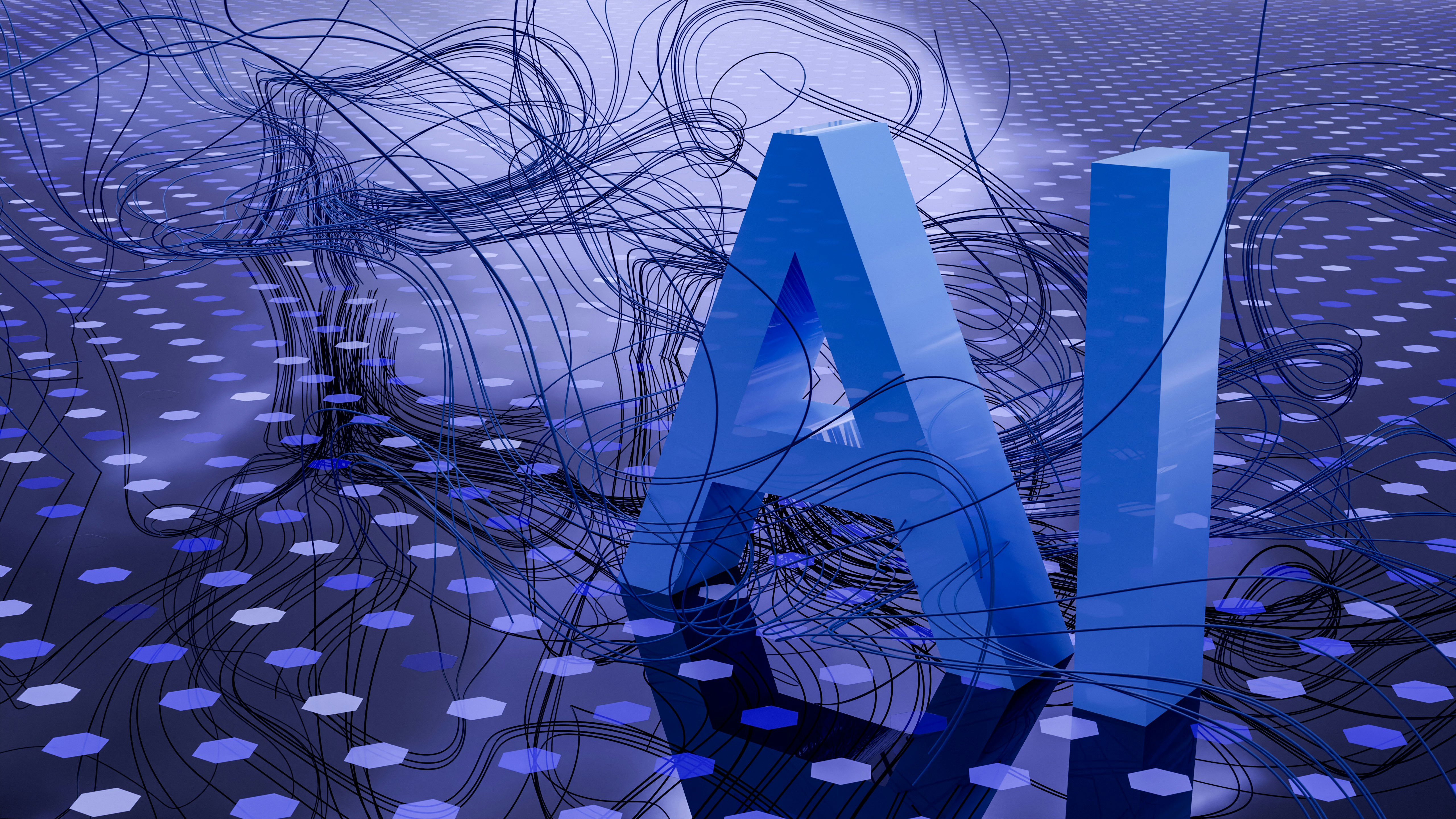
Artificial Intelligence has moved beyond a buzzword and is now a critical component of any successful performance marketing strategy. In this deep dive, we explore how machine learning algorithms and predictive analytics are driving unprecedented returns on ad spend and fundamentally shifting how brands connect with consumers.
Introduction to AI Marketing
The landscape of digital advertising is undergoing a seismic shift. For years, marketers relied on manual A/B testing and broad demographic targeting. Today, AI models are capable of analyzing millions of data points in real time to deliver highly personalized ad experiences.
By leveraging generative AI for creative variations and predictive AI for audience targeting, businesses are seeing lower customer acquisition costs (CAC) and significantly higher lifetime value (LTV).

How AI Improves Campaign Performance
One of the most profound impacts of AI in performance marketing is dynamic creative optimization (DCO). AI algorithms can automatically assemble ad variations tailored to the exact preferences of the user viewing them.
Furthermore, AI excels at bidding strategies. Platforms like Google and Meta now heavily rely on algorithmic bidding to predict the exact moment a user is most likely to convert, adjusting bids dynamically to win auctions efficiently.
- Automated bid adjustments based on real-time intent signals.
- Dynamic creative generation tailored to individual user profiles.
- Predictive analytics for more accurate LTV forecasting.

AI Tools Every Business Should Use
The AI tool ecosystem is expanding rapidly. From chatbots that handle initial lead qualification to platforms that write high-converting ad copy, integration is key to staying competitive.
- Jasper & Copy.ai for scalable ad copywriting.
- Midjourney & DALL-E for rapid asset generation.
- Pecan AI & MadKudu for predictive lead scoring.
Real Business Results
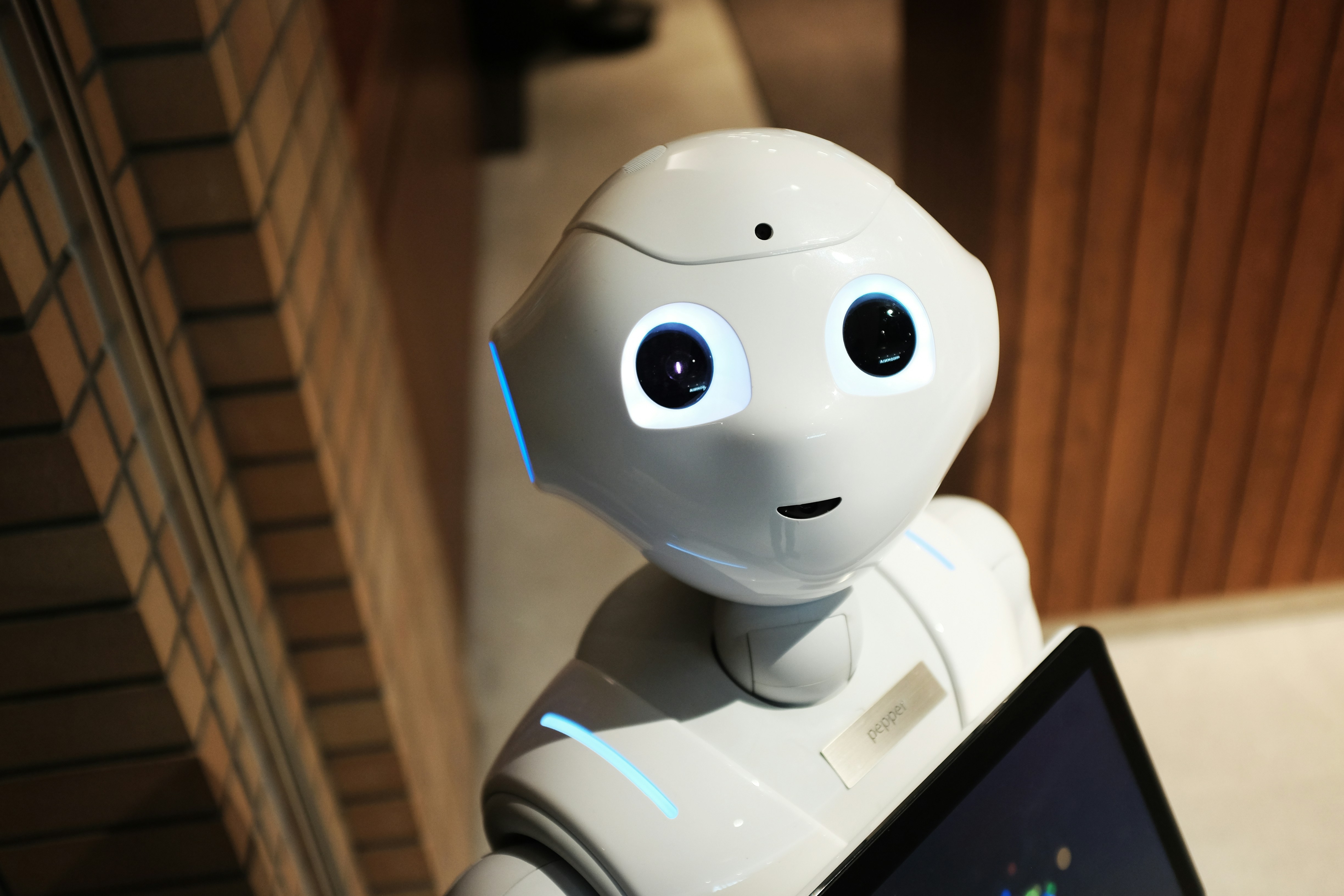
Implementing AI isn't just about adopting new technology; it's about measurable ROI. Recent studies show that brands adopting AI-driven marketing strategies see a 30% reduction in ad waste on average.
Case in point: E-commerce brands utilizing AI for personalized product recommendations report up to a 15% increase in average order value (AOV) within the first quarter of implementation.
Future of AI Marketing
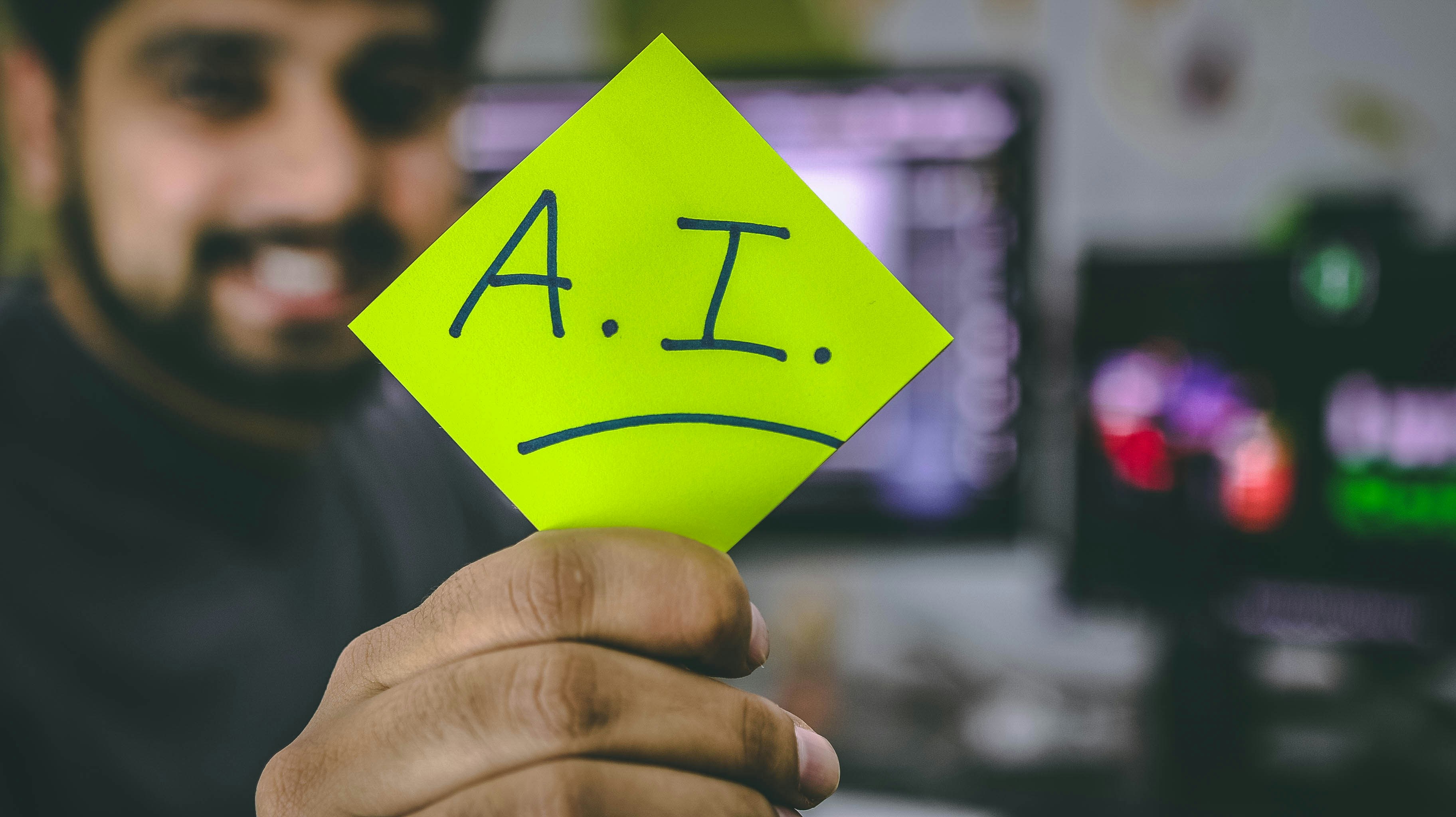
Looking ahead, the integration of AI will only deepen. We are moving towards a future of autonomous marketing, where AI systems not only execute campaigns but also generate the strategic frameworks based on overarching business goals.
Brands that fail to adapt to these autonomous systems will quickly find themselves outpaced by competitors who can test, learn, and iterate at machine speed.